ALL YOU NEED TO KNOW TO MAINTAIN YOUR BOAT ELECTRICAL SYSTEM
If there is one area that mystifies boat owners it is the electrical system (not to be confused with electronics!). Most things on a boat are black and white… plumbing either leaks or it doesn’t, a furler works or it doesn’t. Marine electrical on the other hand has many ‘”gray areas” depending on how charged up you are, how big the battery bank is, how many amp hours you use, and many other variables.
What you learn:
- Electrical theory (Volt, Amperes, Watts)
- Tools and wiring best practice
- Marine electrical equipment (pumps, bilge pumps, lights, circuit breakers and more)
- Electrical system design
- Calculation: battery, battery charger, solar panels
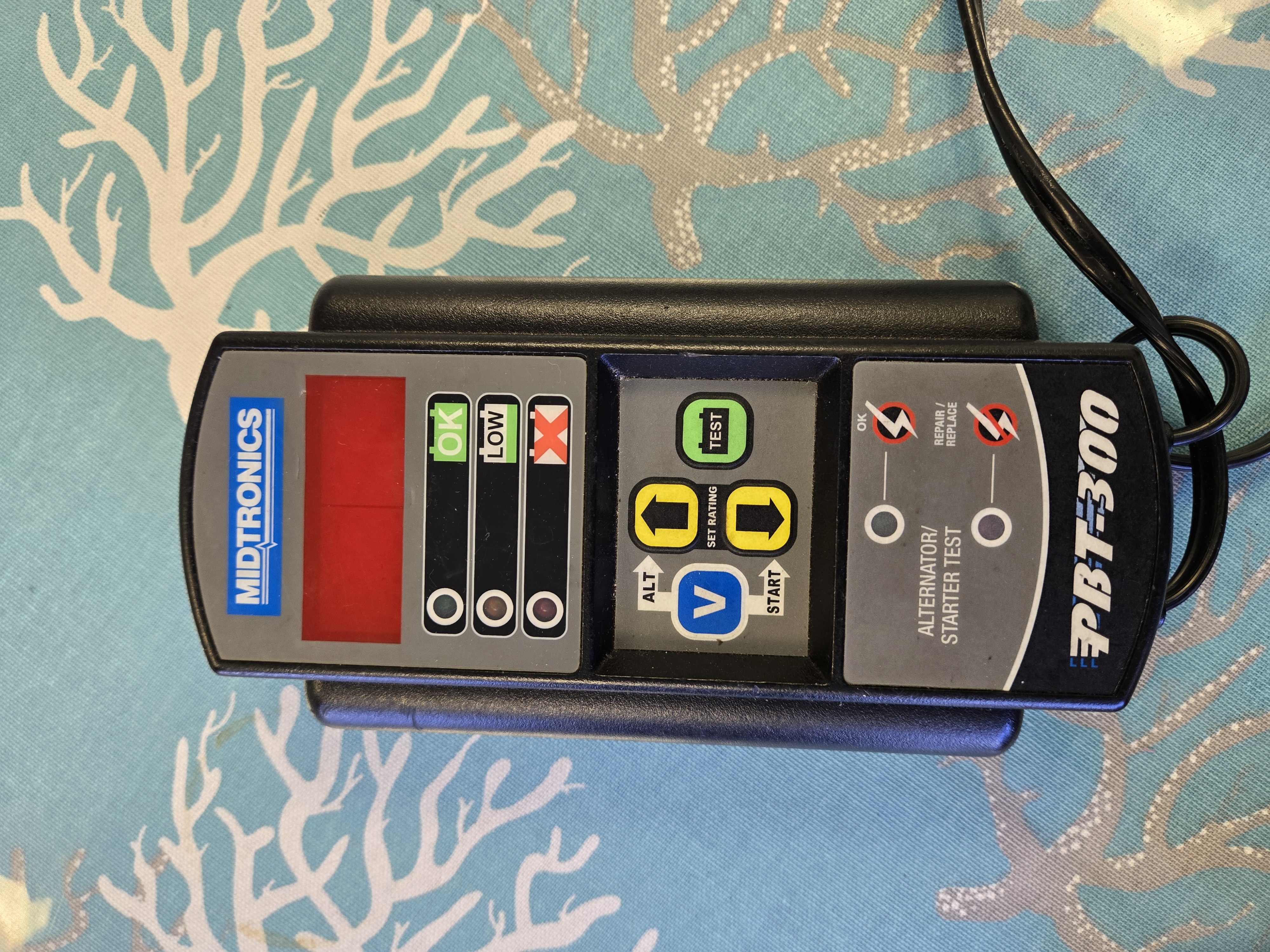
- Battery testing
- Troubleshooting
How is it taught?
- Maximum 5 students in the classroom
- 2 day class from 9am to 5pm
- Classroom equipped with an electrical circuit including all equipment you can find on board
- Theory and lecture
- Hands-on: wiring and measuring electrical systems
- Troubleshooting exercises
What will you get? What can you do after the class?
- Understanding all parts of a boat electrical system
- Troubleshoot electrical parts
- Calculate battery, battery charger and power
- Design basic electrical circuits
- Understand safety while working on marine electrical equipment.
How Is The Class Taught?
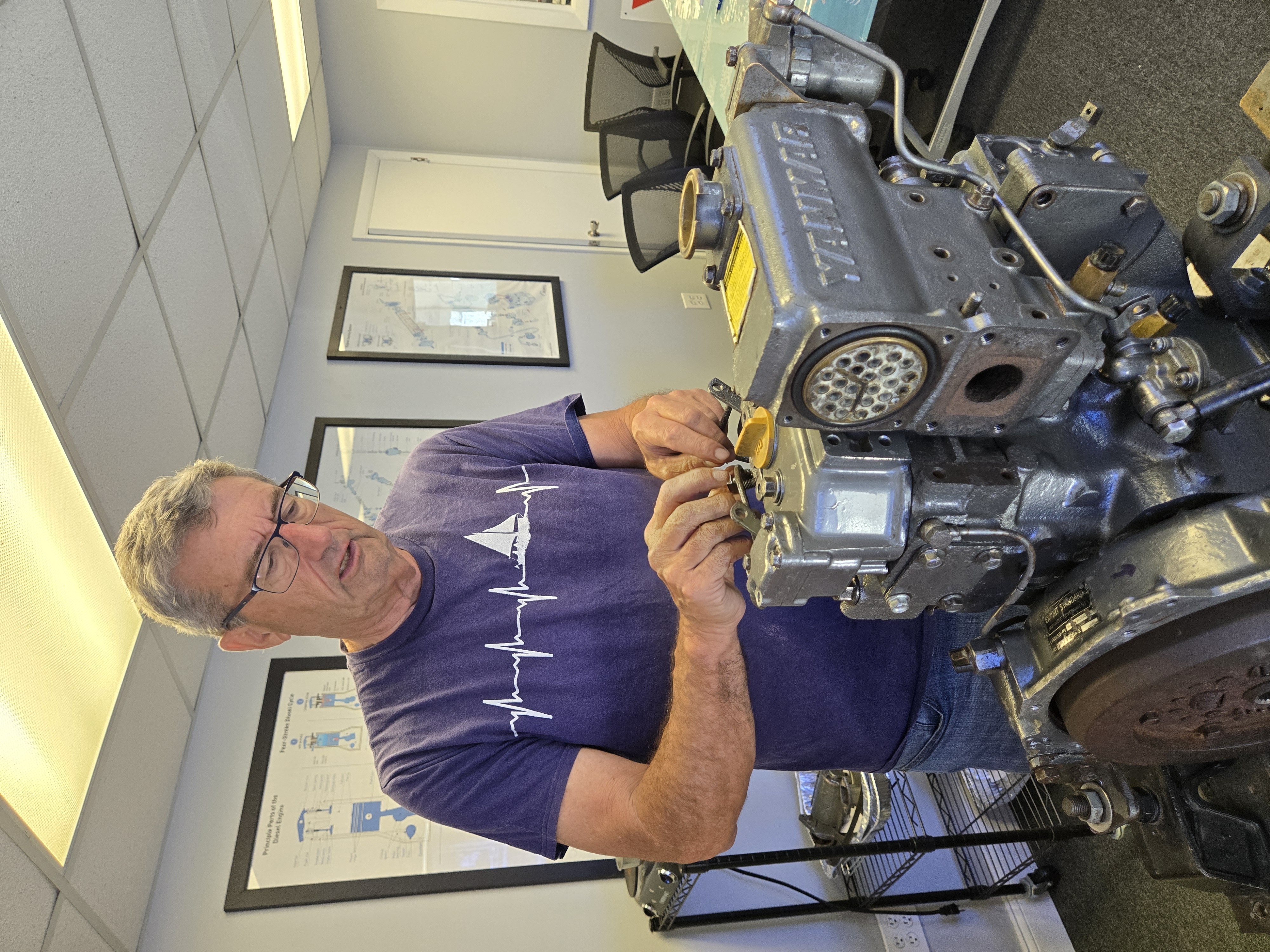
Like all our classes, we prioritize hands-on learning. The class takes place around an electrical panel representing a typical boat system.
You will find breaker panels, batteries, water pumps and bilge pumps and switches, the exact same equipment you find on all boats.
Each piece of equipment is wired on the table.
The instructor will explain a few theories about electricity and circuitry and you will then be able to wire your own electrical systems, measure voltage and current and troubleshoot the systems.
What Are The Electrical Systems?
This course is two days of intensive instruction about boat electrical systems and all the “gray areas”:
- Batteries
- Wiring
- Charging
- Alternators
- Inverters
- Generators
- All the various parts
- Power management
- Different types of battery configurations
- Power monitors
- Amp hours
- Watts…
At the end of the two days you have a good feel of how big your battery bank should be, how many amps your charger should be, how long your battery bank will give power and why. You will be confident to troubleshoot an electrical problem on board or to explain what is wrong to an expert.